
Discovering the Rich Tradition of Malatya Pestilleri
Malatya Pestilleri Editorial Team · Brand editorial team · Updated 2026-07-27
Malatya pestilleri, a cherished cultural delicacy from Turkey, boasts a rich history and a variety of flavors that have captivated locals and visitors alike. Originating from Malatya, a region famed for its apricots, pestil is a thin, dried fruit leather made from pureed fruit and is a staple in Turkish kitchens. What makes Malatya pestilleri particularly special is the meticulous process of its creation and the diverse ingredients that can be used, such as apricots, mulberries, and walnuts. In this article, we delve into the varieties of pestil, including kayısı pestili, dut pestili, and cevizli pestil, and explore the traditional methods behind pestil nasıl yapılır.
What is Pestil?
Pestil, a traditional Turkish treat, is a type of fruit leather made from pureed fruit that is spread thinly and dried. Known for its chewy texture and concentrated fruit flavor, pestil is often enjoyed as a snack or dessert. Its origins trace back to ancient preservation methods, allowing fruit to be consumed well beyond the harvest season. As a versatile delicacy, pestil can include a variety of fruits and nuts, making it both nutritious and delicious.
The Varieties of Malatya Pestilleri
Malatya pestilleri is celebrated for its diversity, offering a range of flavors to suit different palates. Some popular types include:
Kayısı Pestili
Kayısı pestili, or apricot pestil, is perhaps the most iconic of the Malatya varieties. Made from the region's renowned apricots, this pestil showcases the sweet and tangy essence of the fruit, making it a favorite among many.
Dut Pestili
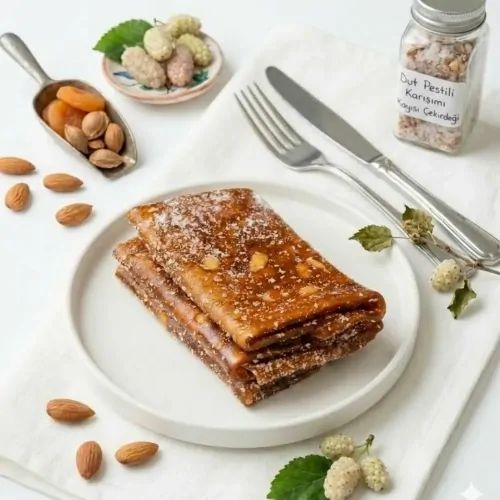
Dut pestili, crafted from mulberries, offers a unique taste experience. The rich, dark flavor of mulberries is captured in this pestil, providing a delightful contrast to the sweetness of other varieties.
Cevizli Pestil
Cevizli pestil incorporates walnuts into the mix, adding a satisfying crunch and a layer of nutty flavor. This version is not only delicious but also packed with nutrients, making it a wholesome snack.
How is Pestil Made? (Pestil Nasıl Yapılır)
The making of pestil is a meticulous process that combines tradition and skill. Here's a step-by-step guide to creating this delectable treat:
- Selection of Fruit: Begin with ripe, fresh fruit for the best flavor. Fruits like apricots and mulberries are commonly used.
- Pureeing: The selected fruit is thoroughly washed and pureed, sometimes with a bit of sugar to enhance sweetness.
- Cooking: The puree is gently cooked to reduce its water content and create a thicker consistency.
- Drying: Once cooked, the puree is spread thinly on cloths or trays and left to dry under the sun. This can take several days depending on the weather.
- Cutting and Storing: After drying, the pestil is cut into strips or sheets and stored in a cool, dry place until ready to eat.
The Cultural Significance of Pestil
Pestil holds a special place in Turkish culture, often associated with family gatherings and festive occasions. Its preparation is a communal activity, passed down through generations. Sharing pestil is a gesture of hospitality and tradition, making it more than just a snack, but a symbol of cultural heritage.
Conclusion
Malatya pestilleri offers a delightful journey into the culinary traditions of Turkey. With its array of flavors and rich history, it stands as a testament to the region's agricultural bounty and cultural richness. Whether you are savoring the sweet tang of kayısı pestili or enjoying the nutty crunch of cevizli pestil, each bite is a connection to a timeless tradition.
FAQ
What is pestil?
Pestil is a traditional Turkish fruit leather made from pureed and dried fruits, enjoyed for its chewy texture and concentrated fruit flavor.
How is Malatya pestilleri made?
Malatya pestilleri is made by pureeing fruits such as apricots or mulberries, cooking the puree to thicken it, and then drying it under the sun to create a chewy, flavorful treat.
What are the main types of pestil from Malatya?
The main types of pestil from Malatya include kayısı pestili (apricot pestil), dut pestili (mulberry pestil), and cevizli pestil (pestil with walnuts).
What does cevizli pestil contain?
Cevizli pestil contains walnuts, which add a crunchy texture and nutty flavor to the traditional fruit leather.
Why is pestil significant in Turkish culture?
Pestil is significant in Turkish culture as it represents a traditional method of preserving fruit, a communal activity passed down through generations, and a symbol of hospitality and cultural heritage.