
Kayısı Pestili Faydaları: Sağlığınıza Katkıları ve Tüketim Yöntemleri
Malatya Pestilleri Editorial Team · Brand editorial team · Updated 2026-08-03
Kayısı pestili, özellikle Malatya bölgesinde üretilen ve besleyici özellikleri ile dikkat çeken bir atıştırmalık alternatifidir. Kayısı pestilinin faydaları arasında sindirim sağlığını desteklemesi, enerji vermesi ve bağışıklığı güçlendirmesi yer almaktadır. Bu yazıda kayısı pestilinin sağlık yararlarını, seçim kriterlerini ve nasıl tüketileceğini ele alacağız.
Kayısı Pestili Nedir?
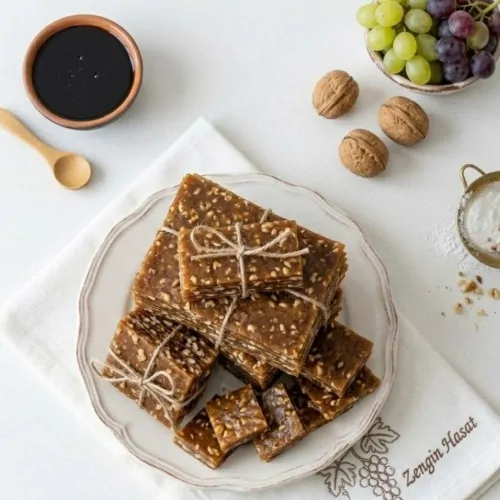
Kayısı pestili, taze kayısıların kurutulup püre haline getirilmesiyle yapılan doğal bir besin maddesidir. Genellikle şeker eklenmeden veya minimum şekerle hazırlanır ve çeşitli besin öğeleri açısından zengindir. Malatya pestilleri, Türkiye'de en çok bilinen ve tercih edilen pestil çeşitleri arasında yer almaktadır.
Kayısı Pestili Faydaları
Kayısı pestilinin birçok sağlık faydası bulunmaktadır:
- Sindirim Sağlığı: Kayısı pestili, lif açısından zengindir. Bu lifler, sindirim sistemini düzenler, kabızlığı önler ve bağırsak sağlığını destekler.
- Enerji Kaynağı: İçerdiği doğal şekerler sayesinde kayısı pestili, hızlı bir enerji kaynağıdır. Spor öncesi veya yoğun günlük aktivitelerde ideal bir atıştırmalık olarak tercih edilebilir.
- Bağışıklık Güçlendirici: Kayısı pestilindeki vitaminler ve mineraller, bağışıklık sistemini destekler, hastalıklara karşı direnci artırır.
- Göz Sağlığı: Kayısı, A vitamini açısından zengin olduğu için göz sağlığını korur. Kayısı pestili de bu faydaları taşır.
- Kalp Sağlığı: İçerdiği potasyum ve lif, kalp sağlığını korur ve kolesterol seviyelerini dengelemeye yardımcı olur.
Kayısı Pestili Nasıl Seçilir?
Kayısı pestili alırken dikkat edilmesi gereken bazı noktalar vardır:
- İçerik Listesi: Doğal ve katkı maddesi içermeyen ürünler tercih edilmelidir. Mümkünse şeker eklenmemiş kayısı pestilleri seçilmelidir.
- Renk ve Doku: Doğal kayısı pestili, koyu turuncu veya kahverengi bir renge sahip olmalıdır. Pürüzsüz bir dokuya sahip olanlar genellikle daha kalitelidir.
- Kaynağı: Malatya kayısı pestilleri, bölgenin iklimi ve toprağı sayesinde yüksek kaliteli ürünler sunar. Yerel üreticilerden almak, tazelik garantisi sağlar.
Kayısı Pestili Fiyatları
Kayısı pestili fiyatları, ürünün kalitesine, içeriklerine ve markasına göre değişiklik göstermektedir. Genel olarak organik ve doğal ürünler biraz daha pahalı olabilmektedir. Ancak sağladığı faydalar göz önünde bulundurulduğunda, sağlık için değerli bir yatırım olarak değerlendirilebilir.
Pestil Nasıl Yenir?
Kayısı pestilini tüketmenin birkaç farklı yöntemi vardır:
- Ara Öğün Olarak: Kayısı pestilini tek başına sağlıklı bir atıştırmalık olarak tüketebilirsiniz.
- Salatalara Ekleyerek: Salatalarınıza doğrayarak eklediğinizde, tatlı bir aroma katacaktır.
- Kuruyemişlerle Kombinleyerek: Fındık, ceviz veya badem gibi kuruyemişlerle birlikte tüketildiğinde, lezzeti ve besin değeri artar.
Dut Pestili ve Cevizli Pestil Faydaları
Kayısı pestilinin yanı sıra, dut pestili de besleyici bir alternatiftir. Dut pestili, yüksek antioksidan içeriği sayesinde bağışıklığı güçlendirir. Cevizli pestil ise omega-3 yağ asitleri ve protein açısından zengin bir atıştırmalık seçeneğidir. Her iki pestil türü de sağlıklı atıştırmalıklar arasında yer alır.
Sıkça Sorulan Sorular
Kayısı pestili faydaları nedir?
Kayısı pestili sindirim sağlığını destekler, enerji verir, bağışıklığı güçlendirir ve göz sağlığına fayda sağlar.
Kayısı pestili faydaları nasıl seçilir?
Doğal ve katkı maddesi içermeyen pestilleri tercih etmek, doğru seçim yapmanıza yardımcı olur. Renk ve kaliteye dikkat edilmelidir.
Kayısı pestili faydaları fiyat?
Fiyatlar, kaliteye ve içeriğe bağlı olarak değişir. Organik ve doğal ürünler genellikle daha pahalıdır.
Pestil nasıl yenir?
Pestil, tek başına veya salatalara, kuruyemişlerle birlikte tüketilebilir.
Dut pestili ne işe yarar?
Dut pestili, antioksidan özellikleri sayesinde bağışıklığı güçlendirir ve enerji verir.
Cevizli pestil kaç kalori?
Cevizli pestilin kalori değeri, içeriğine göre değişir; ortalama 100 gramda 400-500 kalori arasında olabilir.
Sonuç
Kayısı pestili, sağlıklı bir yaşam tarzı için mükemmel bir atıştırmalık seçeneğidir. Besleyici özellikleri sayesinde hem lezzetli bir tat sunar hem de vücuda birçok fayda sağlar. Doğru ürünleri seçerek ve uygun şekillerde tüketerek, kayısı pestilinin sağlığınıza sağladığı yararları en üst düzeye çıkarabilirsiniz.
FAQ
Kayısı pestili faydaları nedir?
Kayısı pestili sindirim sağlığını destekler, enerji verir, bağışıklığı güçlendirir ve göz sağlığına fayda sağlar.
Kayısı pestili faydaları nasıl seçilir?
Doğal ve katkı maddesi içermeyen pestilleri tercih etmek, doğru seçim yapmanıza yardımcı olur. Renk ve kaliteye dikkat edilmelidir.
Kayısı pestili faydaları fiyat?
Fiyatlar, kaliteye ve içeriğe bağlı olarak değişir. Organik ve doğal ürünler genellikle daha pahalıdır.
Pestil nasıl yenir?
Pestil, tek başına veya salatalara, kuruyemişlerle birlikte tüketilebilir.
Dut pestili ne işe yarar?
Dut pestili, antioksidan özellikleri sayesinde bağışıklığı güçlendirir ve enerji verir.
Cevizli pestil kaç kalori?
Cevizli pestilin kalori değeri, içeriğine göre değişir; ortalama 100 gramda 400-500 kalori arasında olabilir.