
How to Make Pestil? Traditional Malatya Pestils
Malatya Pestilleri Editorial Team · Brand editorial team · Updated 2026-08-16
What is Pestil?
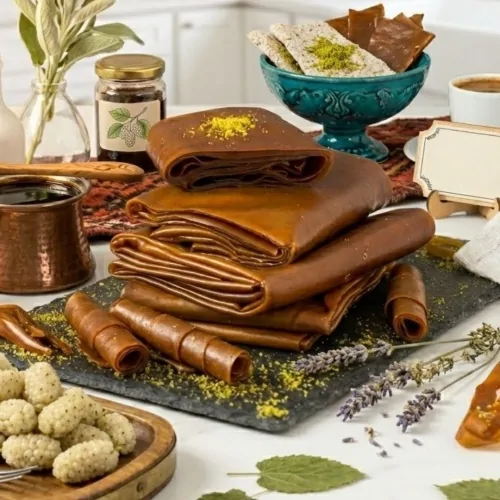
Pestil is a traditional Turkish delicacy made from fruit puree, typically dried into thin sheets. Malatya pestils are among the finest examples of this culinary tradition. Not only is pestil a delicious snack, but it also serves as a healthy alternative, rich in vitamins and minerals due to the fruits used in its preparation. The unique climate and rich fruit varieties of Malatya enhance the taste and quality of pestil.
How to Make Apricot Pestil?
Apricot pestil, particularly made from Malatya apricots, offers a delightful blend of sweet and tangy flavors. Here are the steps to prepare apricot pestil:
- Preparing the Ingredients: Fresh Malatya apricots are washed, pitted, and placed in a pot.
- Making the Puree: The apricots are cooked with a little water until soft, then blended into a smooth puree.
- Preparing the Pestil Mixture: Sugar and starch are added to the puree and mixed thoroughly.
- Drying: The mixture is poured into a tray in a thin layer and left to dry in the sun.
How to Make Mulberry Pestil?
Mulberry pestil captures the sweet aroma of mulberries. Here are the steps for making mulberry pestil:
- Preparing the Ingredients: Mulberries are carefully washed and stemmed.
- Making the Puree: The mulberries are cooked with water until soft and then blended into a puree.
- Preparing the Pestil Mixture: Sugar and starch are added to the puree and mixed well.
- Drying: The prepared mixture is spread in a thin layer on a tray and dried in the sun.
How to Make Walnut Pestil?
Walnut pestil is enriched with pieces of walnut, adding a delightful crunch to the sweet treat. Here’s how to make walnut pestil:
- Preparing the Ingredients: Walnuts are chopped into small pieces.
- Preparing the Puree: Preferred fruits are blended into a smooth puree.
- Preparing the Pestil Mixture: Starch is added to the puree and mixed well, followed by the addition of walnut pieces.
- Drying: The mixture is poured into a tray, and walnuts are sprinkled on top before the drying process is completed.
Health Benefits of Pestil
Pestil is not only a tasty snack but also offers various health benefits. Here are some advantages of consuming pestil:
- Energy Source: Rich in carbohydrates and natural sugars, pestil serves as a quick energy booster.
- Antioxidant Properties: The antioxidants from the fruits help protect the body against free radicals.
- Rich in Vitamins and Minerals: Pestil supports the immune system with the vitamins and minerals derived from the fruits.
Tips for Making Perfect Pestil
- Use Fresh Fruits: The quality of the fruits significantly affects the taste of the pestil. Always opt for ripe and fresh fruits.
- Control the Sugar Level: Adjust the sugar according to your taste preference, but remember that too much sugar can mask the natural flavor of the fruits.
- Ensure Even Drying: Spread the mixture evenly on the tray to ensure uniform drying and avoid any sticky spots.
- Store Properly: Once dried, store pestil in an airtight container in a cool, dry place to maintain its freshness.
Common Mistakes to Avoid
- Overcooking the Fruits: Cooking fruits for too long can lead to loss of flavor and nutrients. Cook just until soft.
- Not Blending Enough: Ensure the puree is smooth; lumps can affect the texture of the final product.
- Insufficient Drying Time: Rushed drying can result in a sticky pestil that doesn’t hold its shape. Allow ample time for drying.
Conclusion
Pestil is one of the most cherished flavors of traditional Turkish cuisine, and Malatya pestils represent the finest examples of this cultural heritage. With various types such as apricot, mulberry, and walnut pestils, they provide a delicious and healthy snack alternative. Now that you know how to make pestil, you can enjoy this delightful treat at home.
Frequently Asked Questions (FAQ)
How to Store Pestil?
Pestil should be stored in an airtight container in a cool and dry place to maintain its freshness for an extended period.
What is the Shelf Life of Pestil?
When stored properly, pestil can last between 6 months to 1 year.
What Fruits are Used to Make Pestil?
Common fruits used for pestil include apricots, mulberries, grapes, and plums.
What Equipment is Needed for Making Pestil?
A pot, blender, tray, and a suitable area for drying are sufficient for making pestil.
What Should Be Considered While Making Pestil?
Using fresh and high-quality fruits, achieving a homogeneous mixture, and ensuring proper drying are crucial for successful pestil making.