
Discovering the Delightful Taste of Dut Pestili
Malatya Pestilleri Editorial Team · Brand editorial team · Updated 2026-07-27
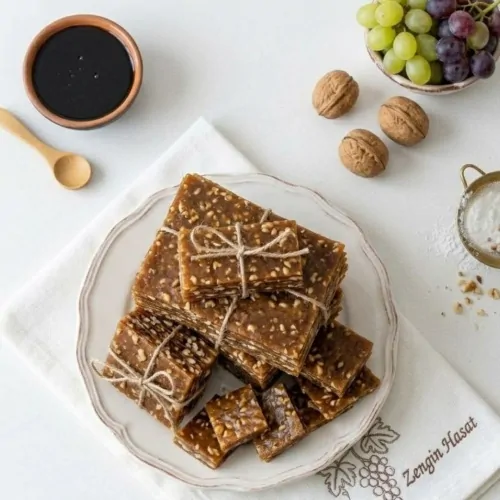
If you've ever delved into the world of Turkish dried fruits and gift foods, you might have encountered the term dut pestili. This delightful treat, often overshadowed by its more famous cousins, holds its ground in the rich tapestry of traditional Turkish desserts. Originating from the region known for its exquisite dried fruits, Malatya Pestilleri offers some of the finest examples of pestil you can find.
What is Pestil?
Pestil is a traditional Turkish sweet made by drying fruit pulp. It's a method that dates back centuries, used to preserve the bountiful harvests of fruits like apricots, mulberries, and grapes. This practice not only extends the shelf life of the fruit but also concentrates its flavors, resulting in a naturally sweet and chewy snack. But what sets dut pestili apart from the rest?
The Unique Characteristics of Dut Pestili
Dut pestili, or mulberry fruit leather, is known for its uniquely sweet and slightly tangy flavor profile. The mulberry, or "dut" in Turkish, provides a distinctive taste that captures both the tartness and sweetness of the fruit. The process of making dut pestili involves crushing the mulberries into a puree, which is then spread thinly and left to dry under the sun.
Health Benefits of Mulberries
Aside from being a delightful treat, dut pestili is packed with nutritional benefits. Mulberries are rich in vitamins, minerals, and antioxidants, making them a healthful addition to any diet. They are known to boost immunity, improve digestion, and support heart health. This makes dut pestili not just a tasty snack but also a beneficial one.
Comparing Dut Pestili with Other Types
While dut pestili stands out for its unique taste, it's worth comparing it to other types of pestil such as kayısı pestili and cevizli pestil. Kayısı pestili, made from apricots, is known for its sweet and tart flavor, while cevizli pestil, which includes walnuts, offers a rich, nutty flavor. Each type of pestil offers its own distinct texture and taste, making them all worthy of trying.
How is Pestil Made?
The process of making pestil is both an art and a science. So, pestil nasıl yapılır? It starts with selecting the best quality fruits which are then washed and crushed into a smooth puree. This puree is boiled to thicken and sometimes sweetened with natural syrup. It is then spread thinly on large trays and left to dry in the sun, a process that can take several days.
The Cultural Significance of Pestil
Pestil is more than just a snack; it is a cultural heritage. It has been a staple in Turkish households for generations, often made in family kitchens using recipes passed down through the ages. Offering pestil to guests is seen as a gesture of hospitality and warmth, a testament to its place in Turkish culture.
FAQs
-
What is dut pestili made of?
Dut pestili is made from mulberries that are crushed into a puree and dried to form a fruit leather.
-
Is dut pestili healthy?
Yes, it is healthy. It contains vitamins, minerals, and antioxidants beneficial for health.
-
How long does pestil last?
When stored in a cool, dry place, pestil can last for several months due to its low moisture content.
-
Can I make pestil at home?
Yes, pestil can be made at home with the right ingredients and drying conditions, though it may take some practice to perfect.
-
What are some other popular types of pestil?
Other popular types include kayısı pestili (apricot pestil) and cevizli pestil (walnut pestil).
Conclusion
In conclusion, dut pestili is a delightful sweet treat that showcases the culinary heritage of Turkey. Its unique flavor, combined with its health benefits, makes it an excellent choice for those looking to explore traditional Turkish foods. Whether you're enjoying it as a snack or sharing it with friends and family, dut pestili offers a taste of tradition in every bite.