
pestil besin değeri: Understanding Pestil: Nutritional Value and
Malatya Pestilleri Editorial Team · Brand editorial team · Updated 2026-11-01
A practical guide to pestil besin değeri: selection, storage and use notes below.
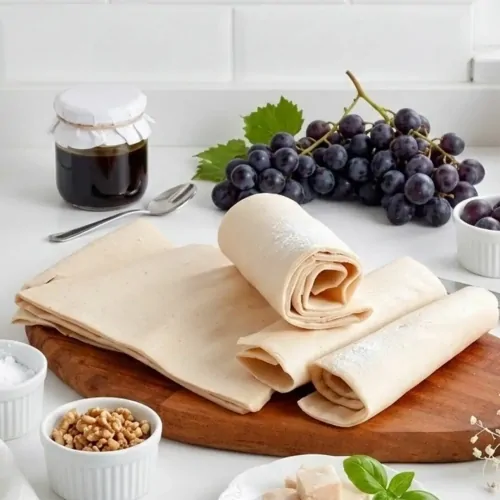
Pestil, a traditional Turkish delicacy made from fruit, particularly known for its variations like kayısı pestili (apricot pestil) and dut pestili (mulberry pestil), is rich in nutrients. Its natural sweetness and chewy texture make it a favorite in many households. Not only is it delicious, but pestil also offers significant health benefits due to its nutritional profile.
What is Pestil?
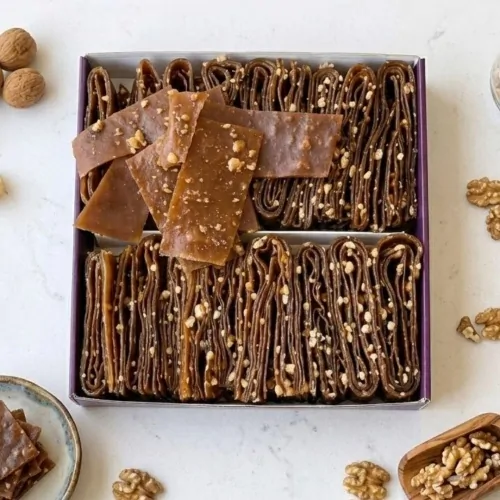
Pestil is a traditional Turkish food made by drying fruits and often combining them with nuts. The process involves pureeing the fruit, spreading it thin, and then sun-drying it until it becomes a chewy, concentrated snack. Malatya pestilleri are particularly famous for their quality due to the region's ideal climate and fertile soil.
Nutritional Value of Pestil
The nutritional value of pestil varies depending on its ingredients, but it generally contains a wealth of vitamins, minerals, and antioxidants. Here’s a breakdown of the typical nutritional components:
- Calories: Approximately 200-250 kcal per 100 grams, making it a dense energy source.
- Carbohydrates: High in natural sugars, providing quick energy.
- Fiber: Pestil is a good source of dietary fiber, aiding digestion.
- Vitamins: Rich in vitamins A and C, crucial for skin health and immunity.
- Minerals: Contains essential minerals like potassium, magnesium, and iron.
Health Benefits of Pestil
Given its rich nutritional profile, pestil offers several health benefits:
- Energy Boost: Its high carbohydrate content provides a quick energy source, making it an excellent snack for athletes and active individuals.
- Digestive Health: The fiber in pestil helps promote healthy digestion and prevents constipation.
- Antioxidant Properties: The vitamins and minerals present help combat oxidative stress and may reduce the risk of chronic diseases.
- Natural Sweetener: Pestil can be a healthier alternative to processed sweets, satisfying your sweet tooth without added sugars.
Varieties of Pestil
Pestil comes in various forms, each offering a unique taste and texture. Here are some popular types:
- Kayısı Pestili: Made from apricots, this variety is particularly rich in vitamin A and offers a deliciously sweet flavor.
- Dut Pestili: This version uses mulberries, known for their antioxidant properties and unique taste.
- Cevizli Pestil: Incorporating walnuts, this pestil not only enhances flavor but also adds healthy fats and protein.
How to Incorporate Pestil into Your Diet
Pestil can be enjoyed in various ways:
- Add it to breakfast cereals or oatmeal for a sweet touch.
- Use it as a natural sweetener in smoothies.
- Pair it with nuts or cheese for a nutritious snack.
- Incorporate it into energy bars or homemade snacks.
Frequently Asked Questions
1. Is pestil healthy?
Yes, pestil is healthy due to its high vitamin and mineral content, fiber, and natural sugars, making it a nutritious snack option.
2. How is pestil made?
Pestil is made by pureeing fruit, spreading it out, and drying it in the sun until it achieves a chewy texture.
3. Can pestil help with weight loss?
While pestil is calorie-dense, its fiber content can help you feel full, making it easier to control cravings when eaten in moderation.
4. How should pestil be stored?
Store pestil in an airtight container in a cool, dry place to maintain its freshness and prevent it from becoming too hard.
5. Are there any allergens in pestil?
Some varieties of pestil may contain nuts or other allergens, so it's essential to check the ingredients if you have specific dietary restrictions.
Conclusion
Pestil is not just a delightful treat but also a nutritious addition to your diet. With its various forms and health benefits, it serves as a perfect snack for those looking to enjoy traditional flavors while maintaining a healthy lifestyle. Whether you prefer kayısı pestili, dut pestili, or cevizli pestil, incorporating this natural sweet into your diet can provide a boost of energy and essential nutrients.
FAQ
Is pestil healthy?
Yes, pestil is healthy due to its high vitamin and mineral content, fiber, and natural sugars, making it a nutritious snack option.
How is pestil made?
Pestil is made by pureeing fruit, spreading it out, and drying it in the sun until it achieves a chewy texture.
Can pestil help with weight loss?
While pestil is calorie-dense, its fiber content can help you feel full, making it easier to control cravings when eaten in moderation.
How should pestil be stored?
Store pestil in an airtight container in a cool, dry place to maintain its freshness and prevent it from becoming too hard.
Are there any allergens in pestil?
Some varieties of pestil may contain nuts or other allergens, so it's essential to check the ingredients if you have specific dietary restrictions.
When evaluating pestil besin değeri, aroma, texture, packaging and processing should be read together. Judging pestil besin değeri by price alone can be misleading.
When evaluating pestil besin değeri, aroma, texture, packaging and processing should be read together. Judging pestil besin değeri by price alone can be misleading.
When evaluating pestil besin değeri, aroma, texture, packaging and processing should be read together. Judging pestil besin değeri by price alone can be misleading.
When evaluating pestil besin değeri, aroma, texture, packaging and processing should be read together. Judging pestil besin değeri by price alone can be misleading.